 Winter Brings New Challenges For Wildlife
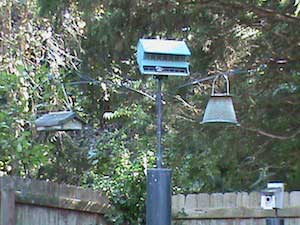
It can be very difficult for birds, squirrels and other wildlife to obtain food during the winter. Especially in less rural areas. This requires that you make some changes. The very minimum you should do are:
- Clean your feeders if you haven’t regularly
- Consider adding new feeders to reduce congestion
- Replace any leaky or broken feeders that can’t safely store seed
- Add some different food options
- Trim your bushes and trees to create a brush pile
- Clean out and put nestboxes back up for roosting birds
- Try your hand at handfeeding for fun!
Clean Out Those Feeders
I know how easy it is for time to get away from us and find it’s been months since we last cleaned our feeders good. If you have a basement with a utility basin, you’re way ahead of me. You can fill one side with warm water and vinegar and the other with just warm water. That way, you can get the job out of the way all at once. I have to use a bathtub but the same idea applies. Make sure you get all the nooks and crannies even if you have to take them apart. Then, just find a warm place to lay them out in on old towels to dry. Make sure they are completely dry before you put them back up. Towels and blow dryers are great for this.
Adding New Feeders
Your feeders can become very busy during the winter as you are aware. One way to reduce the possibility of injury or disease is to set up new feeders in your backyard for the winter. Try to add different types as well. If you have mostly tube feeders, add a platform or hopper feeder. Experiment and your buddies will love you even more for it.
Replace Leaky Or Broken Feeders
If you discover you have leaky or broken feeders, please replace them. Leaky means they can’t keep seed dry and broken means they may have edges or other dangers to birds. Don’t wait until you have a casualty to take action. Be proactive!
Adding New Food Options
If you’ve been feeding just sunflower seed consider adding peanuts, safflower or suet. The latter are higher fat content and will help to sustain them in the cold. This point goes nicely with adding new feeders. You should think about what you want to provide and get the feeder best for that food.
Create A Brush Pile
Fall is the time we do a lot of trimming back before winter. Birds love to have a brush pile to break the wind and conceal them from predators. Especially if you can locate it close to a feeder station. Hawks become more active in the winter and this helps keep your feeder birds safe from an early death.
Put Up Roosting Boxes
Have you taken your bluebird or wren boxes down since breeding season ended? Now’s the time to make sure they’re clean and put them back up for birds that like to roost like my downy woodpeckers. It would also help if you could put wood chips or other nesting material for them to snuggle down into.
Try Hand Feeding
Winter is the time of year that is easiest to get birds that will to hand feed from you. Hand feeding doesn’t have to be complicated. The best time is the early morning. What you do is take some food like peanut pieces or sunflower chips out with you. Take down all feeders and put them near you at a busy feeder station. Stand very still and don’t try to make eye contact. If nothing comes, move a few feet away and stand still again. If nothing comes for 30 minutes, put the feeders back up and go back inside. You’ll be surprised that something eventually will take you up on it.
Did I Miss Anything?
Do you have a favorite winterizing tip that I missed? If so, please share it with us by leaving a comment below. If not, get busy, have fun and make this winter the best yet for your backyard visitors.

Leave a Reply