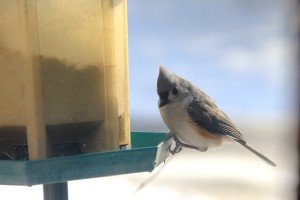
 One of the biggest complaints I hear from people who feed birds is their feeders are being overrun by this bird or another. Usually, it’s the grackles, starlings, sparrows or even crows. While I completely identify with their plight, I do believe this happens because the birder has not decided on what feeding style to use?
Feeding Style Explained
I take great pride that for thirteen years as of this writing I have been able to enjoy my back yard feeding. By “enjoy” I mean I’ve been able to feed (and encourage their populations) the birds that I want in my back yard. I made this decision the first time I looked out at my feeders when I first started and noticed it had been overtaken by a huge flock of grackles. Nothing else could get anywhere near the feeder including on the ground. Since that time, I’ve made it my mission to keep the birds that I want to feed returning while discouraging others that don’t really need my help. In a future article, I’ll talk about things you can do to craft the birds’ feeding experience in YOUR back yard. For now, let me just give you some feeding style examples.
Selective
This is me to a tee! I’m a spiritual person and I do believe all of the birds deserve to eat and continue living. The difference with the other styles is that I don’t believe that I need to be the one to feed ALL of them! Whether this sounds stuffy or mean or selfish, I don’t apologize for it one bit! It’s my back yard, time and money and I’ll use all of them so that I enjoy watching my birds feed! This includes using restrictive feeders, specific seed and actively discouraging the invasive species whenever I can. This does NOT include harming any bird in any way. It’s just a feeding style where I make available food that the birds I want to encourage in a feeder style that precludes the feeder station from being overrun by the more aggressive and invasive species.
Semi-Restrictive
As the name implies, this feeding style has some overall goals but doesn’t keep to a strict feeding methodology. An example of this is making peanut pieces available for your woodpeckers and titmice but not putting them in a feeder that discourages larger birds from taking all of it. Or, a specific feeder that may accidentally allow hoarding by a species you want in your yard but don’t want it parked on it all day eating everything. An example of this is the safflower experiment I tried many years back. I had read that grackles and crows do not like safflower so I filled my two-sided hopper feeder with it. Within a week of doing this, mourning doves were parking their butts on both sides and refusing to allow anything to eat until they were done. Which, by the way, could be an hour or more!
The problem I see with this feeding style is if it isn’t carefully thought out, it will simply degrade into the last feeding style of “Free For All”.
Free For All
This is the feeding style that I hear the most complaints from. They’ve bought their beautiful new bird bath, feeder station (with multiple arms) and stocked their feeders with most bird’s favorite black oil sunflower seed. Within days, their feeders are being emptied daily and the mess under the feeders is unbelievable! They’re desperate to see some cardinals or even blue jays again. These birds will only hang around if they can actually get food there. Otherwise, especially cardinals, will just make themselves scarce.
Again, this is what happened to me the first time I put my feeder out. So, I can totally sympathize with people who have this happen to them. Sometimes, we just got bad advice by an overzealous birding store employee. Sometimes, we just ignored their advice and did what we thought would work (and was cheaper usually-LOL!). Either way, this feeder style really doesn’t even qualify as one because the net effect is that whatever happens, happens. As you can probably tell, this is NOT a style I think most people should go for if they really want to enjoy their back yard bird feeding experience.
What’s Coming Up?
In a future article, I’ll break down some simple things you can do to make your back yard feeding experience as pleasant as possible. I’ll try to use the quicker and cheaper options whenever possible but sometimes you have to realize that we’re all here on this planet for a short time. There’s no reason to spend it disliking what’s going on in your back yard, you know?
How About You?
What feeding tips and tricks can you share that’s allowed you to maintain your sanity, budget and feeding experience? Leave me a comment below and tell me what’s working for you and what’s been a HUGE failure too. We can all learn from each other’s mistakes. Also, if you’ve enjoyed this post please share it on your favorite social media platform using the buttons below.
Bluebird season is right around the corner!
Enjoy,
Jeff

Get Your Free Copy of
Birdwatching for Beginners
Click Below To Be Taken To The Signup Page

Leave a Reply